Seasonal Ant Activity and When to Schedule Pest Control Service
Understanding seasonal ant activity helps homeowners know when to schedule pest control, and local service providers can effectively handle these seasonal ant pest control needs.
Understanding seasonal ant activity and when to schedule pest control service is essential for property owners looking to protect their homes and outdoor spaces. Ants tend to become more active during specific times of the year, often correlating with warmer months or certain environmental conditions. Recognizing these patterns can help property owners stay ahead of potential infestations, avoiding the inconvenience and damage that ants can cause. Local contractors specializing in seasonal pest management can provide tailored advice and treatments to keep ant populations in check throughout the year, ensuring that homes remain comfortable and pest-free.
For those in the area, exploring the timing of ant activity and scheduling pest control services accordingly can make a significant difference. Many local service providers offer seasonal treatments designed to target ant colonies at their most vulnerable stages, reducing the likelihood of a larger problem developing later on. Keeping an eye on local ant behaviors and partnering with experienced contractors can help property owners maintain a pest-free environment, especially during peak activity periods. Continued reading can offer valuable insights into how seasonal changes influence ant behavior and the best times to seek professional pest control assistance.
- Seasonal ant pest control - local contractors often recommend scheduling treatments before peak ant activity begins in spring to prevent infestations.
- Spring ant control services - service providers typically advise planning early in the season when ants start emerging from their nests.
- Summer ant pest management - local pros can help with ongoing treatments during warmer months when ant activity is at its highest.
- Fall ant control - pest control providers may suggest inspections and treatments as ant activity declines but nests remain active underground.
- Year-round ant prevention - professionals can establish ongoing pest control plans to address seasonal fluctuations in ant behavior.
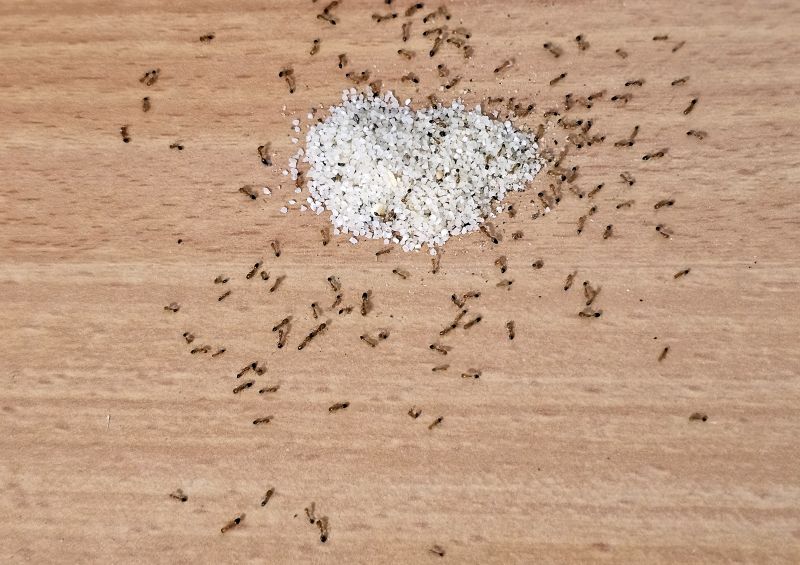
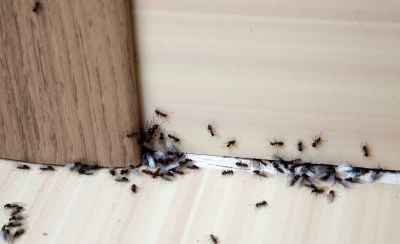
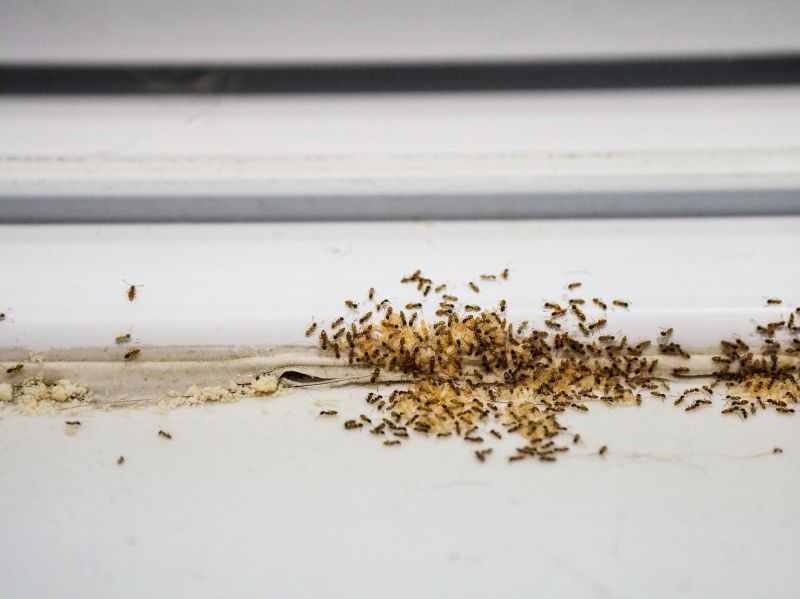
Understanding seasonal ant activity and when to schedule pest control service is essential for homeowners looking to prevent infestations or eliminate existing ant problems. This topic typically comes up when residents notice increased ant activity around their property, especially during certain times of the year. Many people associate ants with spring and summer, but specific species may become active at different times, prompting questions about the best moments to take action. Homeowners often seek guidance on whether to schedule pest control treatments proactively or wait until ants are visibly present, aiming to protect their homes and outdoor spaces from these persistent pests.
The concerns related to seasonal ant activity often involve preventing large colonies from establishing inside or around a property. Ant problems can range from nuisance issues-such as ants invading kitchens and outdoor dining areas-to more serious concerns like structural damage or contamination of food supplies. Planning pest control services around seasonal activity helps homeowners stay ahead of potential infestations, reducing the risk of ants spreading into walls, cabinets, or other hidden areas. This proactive approach is particularly relevant for those preparing for outdoor events or managing properties that are more vulnerable during certain times of the year, like spring planting or summer gatherings.
Properties most commonly affected by seasonal ant activity include residential homes, especially those with accessible entry points, gardens, and outdoor living spaces. Homes with cracks in foundation walls, gaps around windows and doors, or poorly sealed utility penetrations are more prone to ant intrusion during peak activity periods. Additionally, properties with landscaping features like mulch beds or wood piles can attract ants and foster colony growth. Commercial properties, such as restaurants or food service establishments, also need to be mindful of seasonal patterns to prevent contamination and maintain sanitary conditions. Local service providers can assess these vulnerabilities and recommend optimal times for treatments to keep properties protected throughout the year.
By understanding the patterns of seasonal ant activity and knowing when to schedule pest control services, homeowners can better manage their pest prevention efforts. Local pros are equipped to evaluate the specific timing and severity of ant activity in each area, providing tailored treatments that align with seasonal trends. This strategic approach helps ensure that pest control measures are most effective, reducing the likelihood of infestations before they become more difficult or costly to control. Connecting with experienced service providers at the right times can make a significant difference in maintaining a pest-free home environment year-round.
Home Inspection Services - professionals who assess property conditions often need to identify pest entry points and nesting areas, similar to planning for seasonal ant activity.
Pest Prevention Consulting - experts who develop strategies to prevent infestations share planning skills relevant to scheduling pest control during peak ant activity periods.
Exterior Pest Barrier Installation - contractors who set up physical barriers to pests require an understanding of seasonal activity patterns to optimize timing and effectiveness.
Landscape Management Services - landscapers who advise on yard maintenance can help reduce ant habitats, aligning with timing considerations for pest control services.
Moisture Control Solutions - specialists focusing on reducing excess moisture in and around properties support pest prevention efforts tied to seasonal ant behavior.
Wildlife Exclusion Projects - providers who seal entry points for larger pests often coordinate with pest control schedules to ensure comprehensive ant prevention strategies.
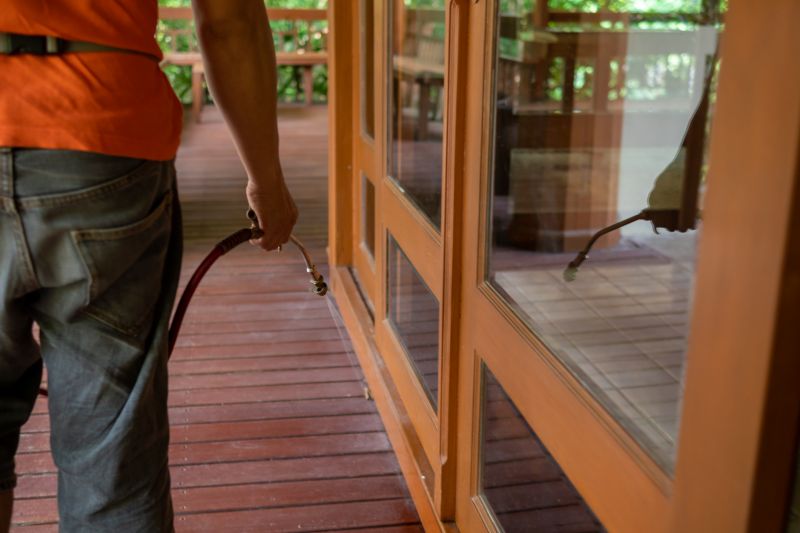
When evaluating service providers for seasonal ant activity and when to schedule pest control service, it’s important to consider their experience with similar projects. Homeowners should look for local contractors who have a proven track record in managing ant infestations specific to the local climate and seasonal patterns. An experienced provider will understand the typical behavior of ants during different times of the year and can tailor their approach accordingly. This familiarity can help ensure the treatment plan is effective and appropriately timed to address peak activity periods, reducing the likelihood of recurring issues.
Clear, written expectations are essential when comparing local pros for seasonal ant pest control services. Homeowners should seek providers who can clearly outline what the treatment process entails, what results to expect, and any necessary follow-up steps. Having detailed information in writing helps prevent misunderstandings and ensures that both parties are aligned on the scope of work. It also provides a useful reference if questions arise later, making the process more transparent and manageable for the homeowner.
Reputable references and good communication are key factors to consider during the selection process. Homeowners are encouraged to ask for references or reviews from previous clients who have had similar ant control services performed. This feedback can offer insights into the contractor’s reliability and effectiveness. Additionally, service providers who communicate clearly and promptly can better address questions about seasonal ant activity and the optimal timing for treatments. Reliable communication ensures that homeowners are well-informed and confident in the steps taken to manage ant activity throughout the year.
Property owners often search for seasonal ant activity and when to schedule pest control service when they are planning practical projects around their homes and businesses. Local pros provide Seasonal Ant Pest Control services for everyday jobs and straightforward project options.


Understanding seasonal ant activity can help property owners recognize the best times to seek pest control services. During warmer months, ants become more active as they search for food and establish new colonies, often leading to increased sightings around homes and gardens. This heightened activity can make infestations more noticeable and potentially more challenging to manage without professional assistance. Local contractors experienced in seasonal ant pest control can evaluate the specific patterns of ant behavior in the area and recommend the most effective treatment strategies to keep these pests at bay.
Timing is an important factor when scheduling pest control services for ants. Many property owners choose to address ant issues proactively before they reach a problematic level, especially during peak activity seasons. Engaging with local service providers at the right time can help prevent larger infestations and minimize damage or inconvenience. Professionals can tailor treatment plans based on seasonal trends and the unique characteristics of the property, ensuring that ant control measures are both timely and effective.
When is the peak season for ant activity? Ant activity typically increases during warmer months, especially in spring and summer, making this the ideal time to consider pest control services from local contractors.
How do seasonal changes affect ant behavior? Seasonal shifts influence ant foraging and nesting habits, which can lead to increased sightings and infestations, prompting the need for professional pest control during these times.
When should I schedule pest control to prevent ant problems? Scheduling pest control services before ant activity begins to escalate-usually in early spring or late winter-can help prevent infestations during peak seasons.
Are certain seasons more active for specific types of ants? Yes, some ant species are more active in particular seasons; for example, carpenter ants may become more noticeable in late summer, making targeted treatment from local service providers beneficial.
What signs indicate it’s time to seek ant pest control services? Signs such as visible trails, ant nests near the foundation, or increased ant presence indoors suggest that scheduling pest control from local contractors can help manage the problem effectively.
Monitor ant activity patterns - property owners can observe seasonal changes in ant behavior to determine optimal times for pest control services with local contractors.
Schedule treatments ahead of peak activity - planning pest control before ant populations increase helps prevent infestations during busy seasons, with guidance from local pros.
Identify high-risk areas during seasonal shifts - recognizing spots where ants tend to gather in different seasons allows for targeted pest control from local service providers.
Implement preventative measures in early seasons - preparing properties with preventative treatments during low activity periods can reduce ant problems when seasonal activity rises, with assistance from local contractors.
If you are thinking about seasonal ant activity and when to schedule pest control service for a property, this guide is meant to help you understand this topic, the typical project types, and how different options might fit your plans.
When you are ready, you can use the quote form on this page to share a few details about your project. From there, local pros can review the basics and follow up with options that match what you have in mind.