Spring Pest Prevention Tips From Local Service Providers
Prepare your property for spring by connecting with local service providers who specialize in infestation prevention to ensure a pest-free season.
Spring is often regarded as an ideal time to begin infestation prevention efforts. As the weather warms and outdoor activity increases, pests such as ants, termites, and rodents become more active and visible around properties. This seasonal shift prompts many property owners to assess their defenses against potential invasions, aiming to protect their homes and landscapes before pests establish themselves. Planning pest prevention during spring can help address vulnerabilities early, reducing the risk of infestations that might otherwise become more difficult and costly to manage later in the year.
Typically, infestation prevention services offered by local contractors include a combination of inspection, barrier treatments, and targeted exclusion methods. These services often involve identifying entry points, applying preventative treatments around the foundation and perimeter, and sealing potential access routes to keep pests from entering the property. Some providers may also offer advice on landscaping or structural adjustments that can further reduce pest attraction. Engaging with experienced service providers ensures that the prevention strategies are tailored to the specific needs of the property and local pest pressures.
When comparing options among local service providers, property owners can consider factors such as experience with local pest issues, the scope of services offered, and the reputation of the contractor within the community. It’s helpful to review the types of prevention methods used and inquire about the frequency of treatments or inspections recommended for the area. By evaluating these aspects, property owners can identify professionals who are well-equipped to deliver effective infestation prevention tailored to the unique conditions of the local environment.
Compare local contractors' expertise and services to choose the best fit for your spring infestation prevention needs.
- Inspection and Assessment - Local service providers can evaluate your property to identify potential infestation entry points and vulnerabilities.
- Sealing and Exclusion - Contractors can help seal cracks, gaps, and openings to prevent pests from entering your home.
- Sanitation and Habitat Removal - Professionals can assist with removing debris and clutter that attract pests during spring cleaning.
- Preventive Treatments - Local contractors offer treatments to deter pests and reduce the risk of infestations as seasons change.
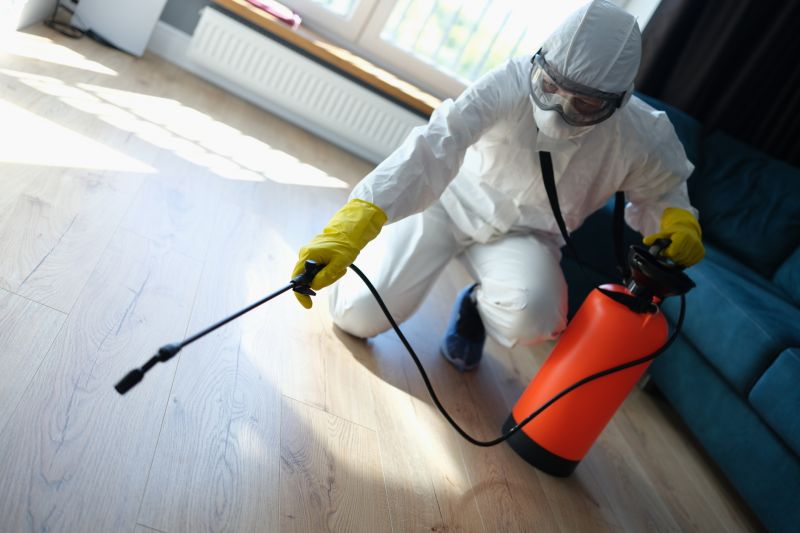
Compare different infestation prevention options and clearly describe your project to find trusted local contractors suited for springtime pest control.
- Inspect indoor and outdoor spaces for signs of pests or droppings to identify early infestation issues that local contractors can address.
- Seal cracks, gaps, and entry points around windows, doors, and foundations to prevent pests from gaining access to the property.
- Remove debris, stored wood, and clutter near the home’s exterior to eliminate potential nesting sites for insects and rodents.
- Ensure proper yard maintenance, including trimming vegetation and managing moisture levels to reduce pest habitats around the property.
- Check for standing water in gutters, birdbaths, and other areas that can attract pests and encourage breeding.
- Schedule a professional inspection with local pest control service providers to assess and implement effective infestation prevention measures.
Use this to generate ideas for selecting local contractors who can help prevent infestations this spring.



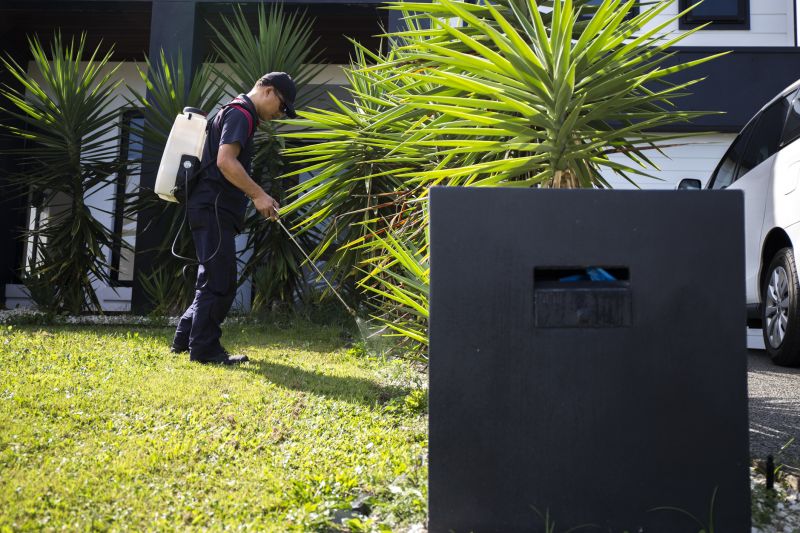
Prioritize infestation prevention options and compare local contractors to find the best fit for your spring project needs.
- Seal entry points - sealing cracks and gaps around windows, doors, and foundations can help prevent pests from entering the home during spring. Local contractors can identify vulnerable areas and recommend effective sealing solutions.
- Maintain yard cleanliness - removing debris, leaves, and standing water reduces pest habitats and breeding sites in outdoor spaces. Service providers can assist with yard cleanup and pest-proof landscaping.
- Install barriers - physical barriers like mesh screens or fencing can keep pests such as rodents and insects out of gardens and outdoor living areas. Local pros can help with the installation of these protective measures.
- Trim vegetation - cutting back overgrown shrubs and trees away from the house minimizes pest access points and nesting sites. Landscaping experts can provide tailored trimming and pruning services.
- Apply preventative treatments - professional pest control applications can target common spring pests before infestations develop, offering ongoing protection. Local pest control providers can recommend suitable treatment plans.
Compare local contractors' infestation prevention strategies to ensure consistent, effective spring-focused protection across providers.
- Identify common entry points - determine potential access areas such as cracks, gaps, and vents that pests could use to enter the property.
- Assess sanitation practices - evaluate storage, waste management, and clutter levels that may attract pests.
- Implement physical barriers - consider sealing gaps, installing screens, and using barriers to prevent pest intrusion.
- Inspect surrounding environment - review landscaping and nearby structures that could harbor pests or facilitate entry.
- Develop ongoing monitoring plans - establish regular inspection routines to detect early signs of infestation.
When considering infestation prevention services during the spring season, it is important for homeowners to evaluate the experience of local contractors with similar projects. Service providers who have a history of handling pest prevention efforts in residential settings can offer insights into effective strategies tailored to seasonal challenges. Reviewing the types of infestations they have addressed and the environments they are familiar with can help determine if a contractor's background aligns with the specific needs of a home.
A clear and detailed written scope of work is essential when comparing options for infestation prevention. Homeowners should seek out service providers who can articulate the steps involved, the methods to be used, and the expected outcomes in straightforward terms. A well-defined scope helps ensure that both parties have aligned expectations and provides a basis for understanding what the project entails, reducing the risk of misunderstandings or overlooked details.
Work planning considerations are also crucial in evaluating local contractors for spring infestation prevention. Homeowners should inquire about how service providers plan and organize their work, including how they approach site assessments, scheduling, and preparation. Understanding a contractor’s planning process can reveal their level of professionalism and attention to detail, which are key factors in ensuring the effectiveness and efficiency of pest prevention efforts during a busy seasonal period.
Finally, when comparing options, it is helpful to consider how each service provider communicates and presents their approach. Homeowners can evaluate the clarity of their explanations, the completeness of their proposals, and their responsiveness to questions. Focusing on these aspects can assist in selecting a trusted partner capable of delivering a comprehensive infestation prevention plan tailored to springtime needs, without the influence of pricing considerations.
Ask for written scope details to ensure clarity and consistency when discussing infestation prevention with service providers.
- Scope of Services - What specific infestation prevention methods do local contractors offer for spring seasons?
- Experience and Expertise - How do different providers compare in their experience with seasonal pest prevention strategies?
- Service Coverage - Which local service providers can handle comprehensive infestation prevention across residential or commercial properties?
- Approach and Techniques - How do various contractors' approaches to spring pest prevention differ in scope and effectiveness?
- Guarantees and Warranties - What scope of coverage do local providers offer in their infestation prevention services?
What are common signs of an infestation? Look for visible pests, droppings, unusual odors, or damage to plants and structures as potential indicators of an infestation.
How can I prevent pests in the spring? Regularly inspect your property, remove standing water, keep vegetation trimmed, and seal entry points to reduce pest entry and nesting opportunities.
What steps do local contractors recommend for infestation prevention? They often suggest sealing cracks, maintaining cleanliness, and applying preventive treatments to keep pests from establishing themselves.
Are there natural methods to deter pests during spring? Yes, many service providers offer advice on natural repellents, planting pest-resistant plants, and encouraging beneficial insects to balance pest populations.
How important is yard maintenance for infestation prevention? Proper yard upkeep, including removing debris, trimming bushes, and managing mulch, helps eliminate hiding spots and reduces pest attraction.
What should I do if I notice signs of pests early? Contact local service providers promptly to assess the situation and implement targeted prevention or removal strategies before the problem worsens.
Spring is an ideal time to focus on infestation prevention, helping to safeguard your home from unwanted pests as they become more active during the season. By understanding key strategies and early steps, homeowners can better prepare their spaces to resist common seasonal invaders. Connecting with experienced local contractors can provide tailored solutions to fit your specific needs, ensuring effective prevention measures are in place.
To explore options and find the right service providers for infestation prevention, using the quote form can help compare local offerings and connect with trusted experts in the area. Taking proactive steps now can make a difference in maintaining a pest-free home throughout the season.
Providing clear details about your infestation prevention needs helps local contractors understand your project and offer appropriate assistance.
- Inspection and Identification - sharing knowledge about common signs of infestations to watch for around the property.
- Preventive Measures - describing methods used to block pests from entering or establishing in the space.
- Seasonal Preparation - detailing steps taken in spring to reduce the risk of infestations during warmer months.
- Maintenance Practices - explaining routine upkeep that helps prevent pest problems before they start.