How Routine Pest Control Helps Prevent Major Infestations
Routine pest control by local service providers helps prevent major infestations by regularly targeting pests before they become large, costly, and difficult to manage.
Understanding how routine pest control helps prevent major infestations is essential for property owners looking to protect their homes and businesses. Regular pest management services target common pests before they can establish large colonies, reducing the risk of damage and disruption. Local service providers are equipped to develop tailored treatment plans that address specific pest threats common in the area, helping to keep properties safer and pest-free over time. Staying proactive with routine pest control not only minimizes the chances of sudden infestations but also supports ongoing property maintenance efforts.
For property owners in the area, exploring how routine pest control helps prevent major infestations offers a practical way to safeguard their investments. By partnering with local contractors, residents can benefit from consistent inspections and treatments that catch pest problems early, often before they become visible or severe. This approach aligns with a proactive mindset, emphasizing prevention over reaction, and ensures that pest issues are managed efficiently. Continuing to learn about these services can help property owners make informed decisions about pest management strategies that protect their spaces effectively.
- Residential pest prevention - homeowners seeking to reduce the risk of infestations can rely on local contractors to implement routine pest control measures that target common pests before they become a major problem.
- Commercial property pest management - business owners aiming to maintain a pest-free environment can work with local service providers to establish ongoing pest control schedules that prevent infestations from developing.
- Seasonal pest control services - during peak pest activity times, local pros can provide regular treatments to help keep pests at bay and prevent them from establishing large colonies.
- Pre-construction pest treatments - builders and property developers can enlist local contractors to apply preventative pest control measures before construction begins, reducing the chance of future infestations.
- Infestation prevention inspections - routine inspections by local service providers can identify early signs of pest activity, allowing for prompt treatment that prevents minor issues from escalating into major infestations.
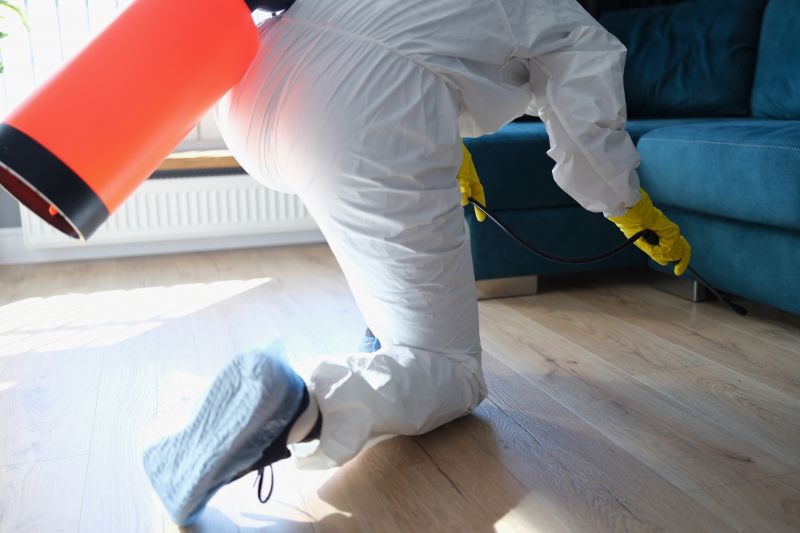
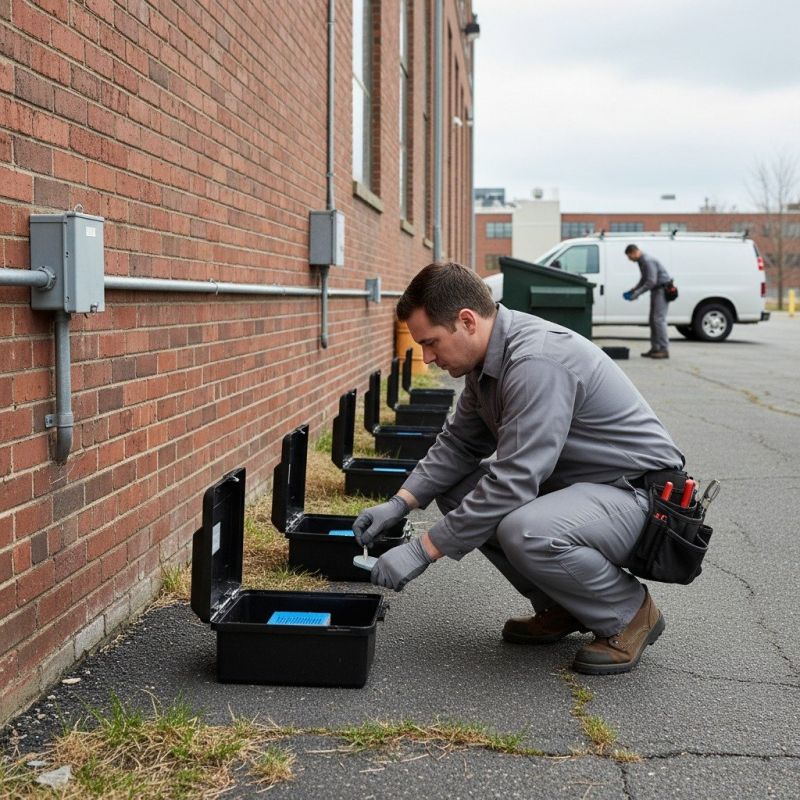
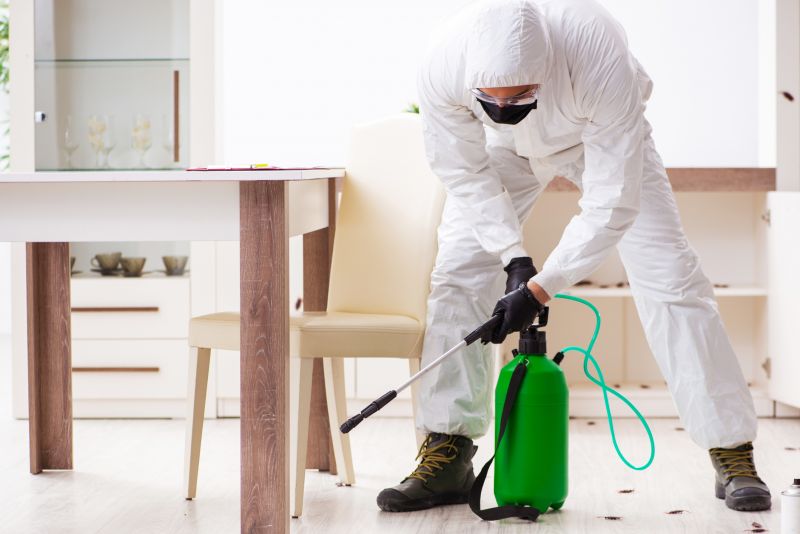
When people search for how routine pest control helps prevent major infestations, they often want to understand how regular maintenance can keep pests from becoming a serious problem. The focus is typically on proactive measures that homeowners can take to avoid the inconveniences and damage caused by pests such as ants, cockroaches, rodents, or termites. Many are interested in learning how consistent treatments can interrupt pests' ability to establish colonies and spread throughout a property. This topic relates to planning ongoing pest management strategies that emphasize prevention rather than just reacting to visible infestations.
The problems associated with major pest infestations can be extensive, including property damage, health risks, and increased costs for repairs or extermination. Routine pest control plays a critical role in preventing these issues by addressing pest activity early, before it escalates. It involves scheduled treatments that target pests at their common entry points and breeding sites. Local service providers often develop customized plans based on the property type and pest risks, ensuring that treatments are timely and effective. This approach helps homeowners maintain a pest-free environment and reduces the likelihood of costly infestations developing over time.
Properties that typically come up in discussions about routine pest control include residential homes, multi-family buildings, and sometimes small commercial spaces. Homes with yards, gardens, or nearby wooded areas may be more vulnerable to pest activity, making regular treatments especially important. Larger properties or those with structural features like basements, crawl spaces, or cracks in the foundation can also benefit from ongoing pest management. Local contractors understand the unique needs of different property types and can recommend appropriate treatment schedules. This helps ensure that pest prevention efforts are comprehensive and tailored to the specific environment.
Understanding how routine pest control helps prevent major infestations highlights the importance of working with experienced service providers. These local contractors can assess the specific risks associated with each property and implement a proactive treatment plan. Regular pest control treatments create a barrier that discourages pests from establishing colonies, reducing the chances of a full-blown infestation. By maintaining a consistent schedule, homeowners can better protect their property from damage and avoid the disruptions that come with large pest populations. Connecting with local pros ensures that the pest management strategies are effective, personalized, and suited to the property's particular needs.
Pest inspection services - professionals who conduct thorough inspections help identify early signs of pest activity, supporting prevention efforts against major infestations.
Rodent exclusion projects - local contractors specializing in sealing entry points and implementing barriers play a key role in preventing pests from establishing a presence indoors.
Termite treatment and prevention - experts who apply preventative treatments and monitor for termite activity help stop infestations before they become severe.
Sanitation and debris removal - service providers who clear clutter and improve sanitation reduce pest hiding spots, aiding in the prevention of infestations.
Landscape and yard maintenance - contractors who manage vegetation and remove standing water help eliminate outdoor pest habitats that could lead to indoor problems.
Integrated pest management consulting - specialists who develop customized prevention plans assist homeowners in maintaining a pest-free environment through routine services.
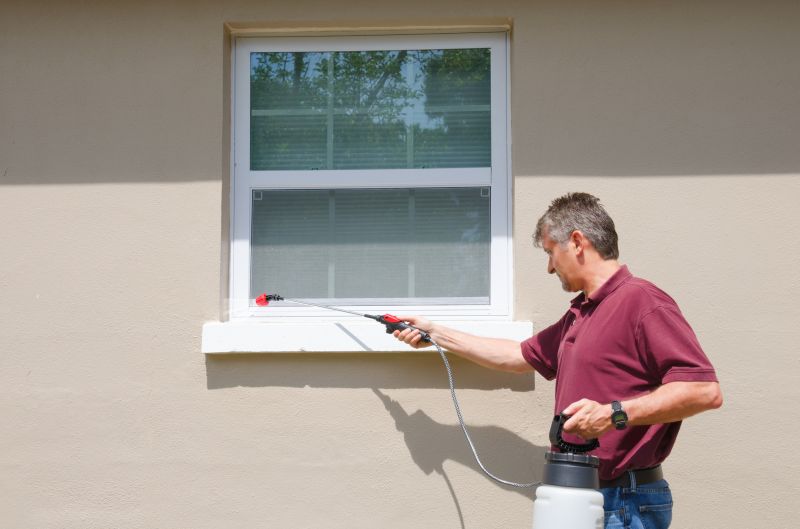
When comparing service providers for routine pest control, it is important to consider their experience with similar projects. Homeowners should look for local contractors who have a proven track record in managing pest prevention strategies specific to residential properties. An experienced professional will understand common pest issues in the area and be familiar with effective methods to prevent major infestations, helping to ensure that the service is tailored to the unique needs of the home.
Clear written expectations are essential when evaluating potential service providers. Homeowners should seek out contractors who provide detailed descriptions of their pest control plans, including the scope of work, frequency of treatments, and what areas will be covered. Having this information in writing helps establish a mutual understanding of what the routine pest control services will include, making it easier to compare options and select a provider that aligns with the homeowner’s prevention goals.
Reputable references and good communication are key factors to consider when choosing local contractors. Homeowners can ask for recommendations or reviews from previous clients to gauge the quality of service and reliability. Additionally, a service provider who communicates clearly and promptly about treatment plans, expectations, and any concerns can foster a more transparent and effective working relationship. This level of professionalism can be instrumental in ensuring that routine pest control services effectively help prevent major infestations over time.
Property owners often search for how routine pest control helps prevent major infestations when they are planning practical projects around their homes and businesses. Local pros provide Routine Pest Control services for everyday jobs and straightforward project options.
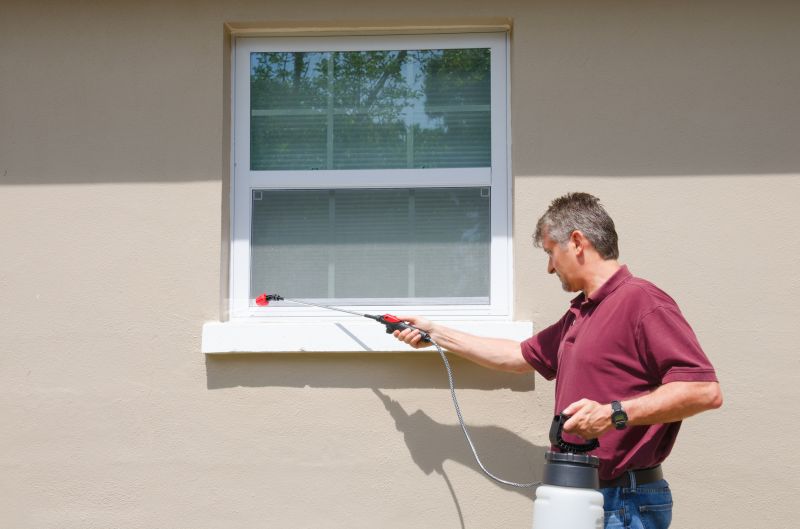
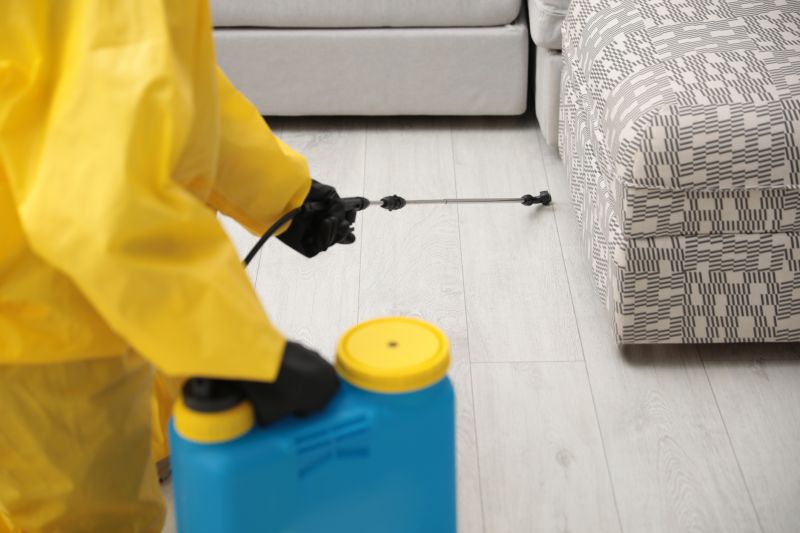
Routine pest control services are essential for property owners who want to maintain a pest-free environment and prevent the development of major infestations. Regular visits by local contractors help identify early signs of pest activity, allowing for prompt treatment before the problem worsens. By keeping pests at bay through scheduled treatments, property owners can avoid the costly and disruptive process of dealing with large-scale infestations that can threaten the integrity of their homes or businesses.
Many property owners look into routine pest control because it offers a proactive approach to pest management. Consistent service helps eliminate potential hiding spots and food sources that pests rely on, reducing the likelihood of an infestation taking hold. Engaging with local service providers ensures that pest control measures are tailored to the specific needs of the property, providing ongoing protection and peace of mind against unwelcome invaders.
How does routine pest control help prevent major infestations? Routine pest control services regularly treat and monitor properties to eliminate early signs of pests, reducing the chance of a full-blown infestation developing.
Why is consistent pest control important for infestation prevention? Consistent treatments help maintain a barrier against pests, making it harder for them to establish colonies and spread within the property.
What role do local contractors play in preventing pest infestations? Local contractors use targeted methods to identify and address pest activity early, helping to prevent larger infestations from forming over time.
Can routine pest control identify pest problems before they become severe? Yes, routine services include inspections that can detect pest activity early, allowing for prompt action to prevent major infestations.
How does routine pest control contribute to long-term pest management? Regular treatments help control pest populations proactively, reducing the likelihood of unexpected infestations and the need for extensive extermination measures.
Regular inspections - routine pest control services include scheduled inspections that help identify early signs of pest activity before an infestation develops.
Prevention treatments - local contractors apply preventative treatments around the property to create a barrier against pests trying to enter.
Sanitation advice - service providers often offer practical tips on reducing attractants like food debris and clutter that can invite pests.
Monitoring and follow-up - ongoing monitoring ensures that any pest issues are caught early, allowing for prompt treatment and reducing the risk of major infestations.
If you are thinking about how routine pest control helps prevent major infestations for a property, this guide is meant to help you understand this topic, the typical project types, and how different options might fit your plans.
When you are ready, you can use the quote form on this page to share a few details about your project. From there, local pros can review the basics and follow up with options that match what you have in mind.