Compare Local Contractors for Residential Pest Control Services
Compare local contractors for residential pest control to define the scope, verify experience, and set clear expectations before hiring.
Residential pest control services typically encompass a range of treatments aimed at identifying, managing, and eliminating common household pests such as ants, cockroaches, rodents, termites, and other unwanted critters. These services often include inspection of the property to locate pest activity and entry points, targeted treatments to address specific infestations, and preventative measures to reduce future issues. The scope of work can vary depending on the severity of the pest problem, the type of pests involved, and the property’s unique characteristics, making clear communication about what is included essential for effective and satisfactory results.
Defining the scope of pest control work is a critical step in working with local contractors. Property owners should clarify which pests are targeted, what methods will be used, and what areas will be treated. Having these details in writing helps establish clear expectations and ensures that both parties understand the extent of the work. It can also prevent misunderstandings or unmet expectations later on. When discussing scope, consider asking about follow-up treatments or ongoing maintenance, especially for pests that may require multiple visits or preventative strategies.
Comparing local contractors involves evaluating their experience, reputation, and the services they offer. Property owners can benefit from reviewing credentials such as licensing or certification, if available, and seeking references or reviews from other clients. It’s important to verify that the contractors have experience handling the specific pest issues present on the property. Additionally, understanding how each service provider plans to approach the job and requesting detailed written descriptions of the scope can help in making an informed choice. Focusing on these practical aspects can lead to a more confident decision when selecting the right pest control professional for residential needs.
Compare local contractors by outlining your pest control priorities, verifying experience, and setting clear written expectations.
- Compare Contractor Credentials - Review the experience and reputation of local contractors to ensure quality service.
- Define Service Scope - Clearly outline the pest control needs and expectations in written agreements.
- Verify Experience and Expertise - Confirm that service providers have relevant experience handling residential pest issues.
- Set Clear Expectations - Communicate specific requirements and ensure all details are documented before work begins.
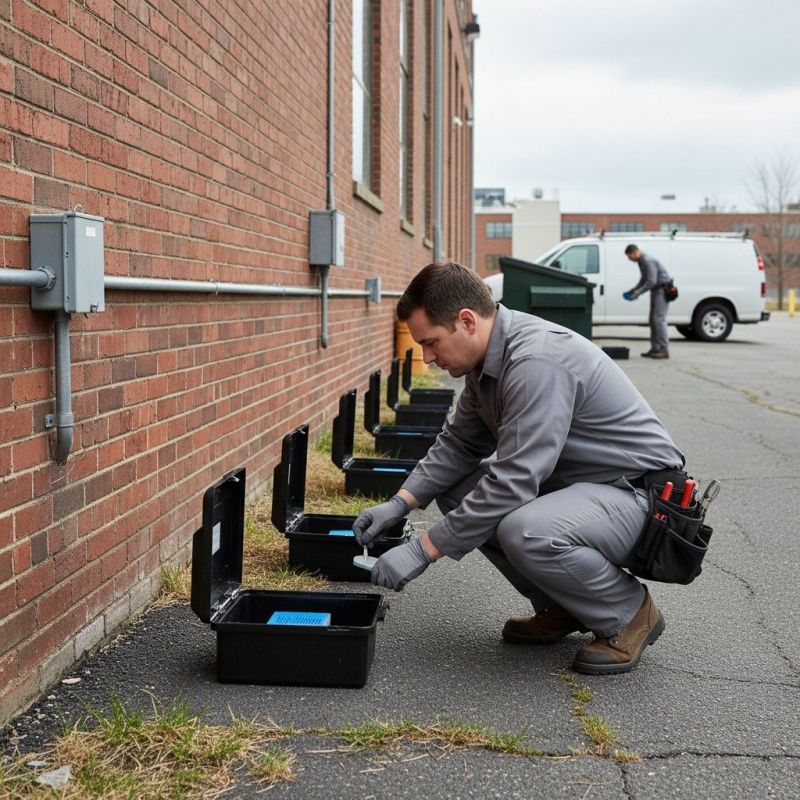
Clearly describe your pest control needs and compare local contractors based on experience and scope.
- Verify the experience and reputation of local contractors specializing in residential pest control. - Look for service providers with a proven track record in handling common household pests.
- Define the scope of work clearly in writing to ensure all pest issues are addressed. - Make sure the contract specifies the pests to be treated and any follow-up procedures.
- Compare the services offered by different local contractors to find those that meet specific pest control needs. - Evaluate the range of treatments and methods used by each provider.
- Ensure the scope of work and expectations are documented thoroughly to prevent misunderstandings. - Confirm that all agreed-upon tasks and responsibilities are outlined in the service agreement.
- Check for reviews or references to assess the reliability and quality of local pest control service providers. - Gather feedback from previous clients to gauge satisfaction and effectiveness.
- Confirm that the pest control methods used comply with safety standards and are appropriate for residential environments. - Ensure the techniques are suitable for homes and do not pose health risks to residents.
Compare local contractors, verify their experience, and clearly define your pest control scope in writing.
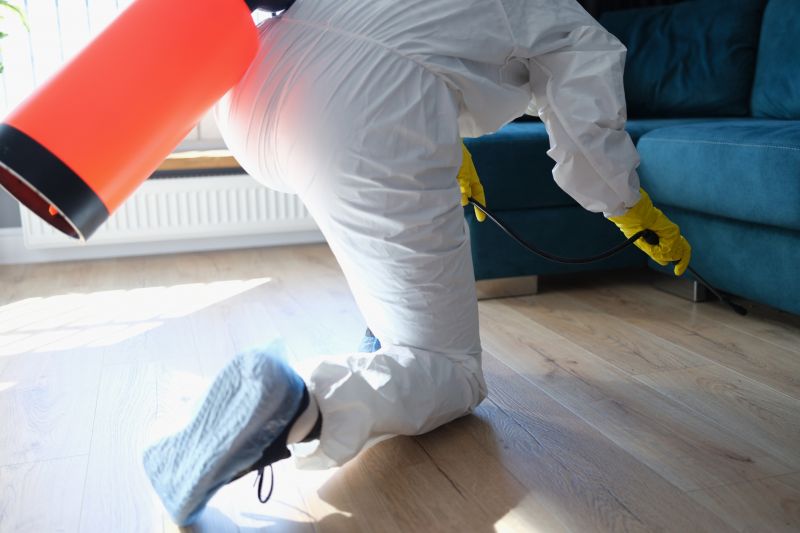
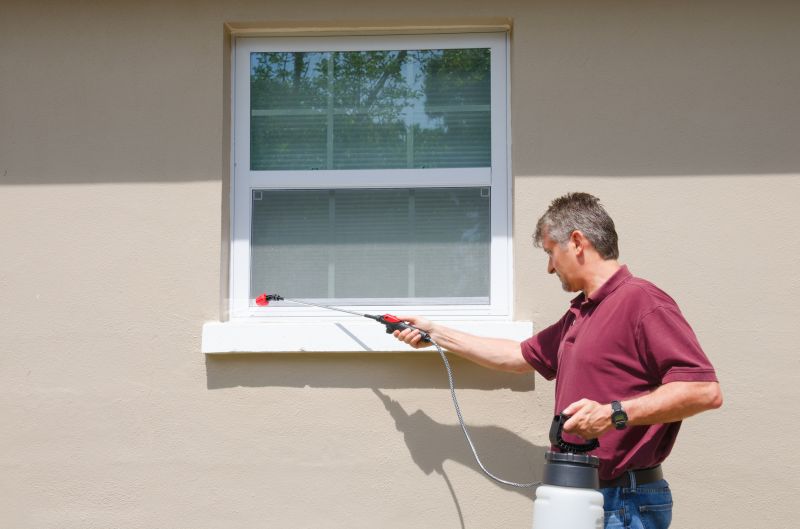
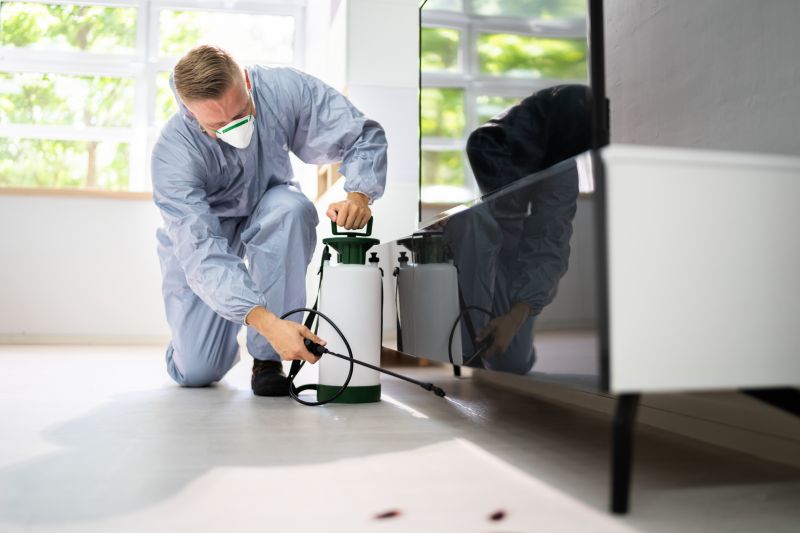

This scope builder helps compare residential pest control contractors consistently by defining work, verifying experience, and setting clear expectations.
- Scope Definition - Clearly outline the specific pest issues to be addressed and the areas of the residence involved.
- Experience and Expertise - Verify that the service providers have relevant experience with residential pest control methods and common pests.
- Treatment Methods - Specify the pest control techniques and products that will be used during the service.
- Exclusion and Prevention - Include measures for pest exclusion and ongoing prevention efforts in the scope of work.
- Written Agreement - Ensure all service details, responsibilities, and expectations are documented in a written scope of work.
When comparing contractors for residential pest control, it is important to evaluate their experience with similar projects. Homeowners should inquire about how long a service provider has been working in the pest control industry and whether they have handled homes with comparable pest issues or property types. Contractors with a history of successful treatments for similar situations are more likely to understand the nuances of managing pests effectively in residential settings. This background can provide insight into their familiarity with common challenges and effective solutions, helping homeowners make more informed decisions.
A clear, written scope of work is essential when assessing different service providers. Homeowners should seek detailed descriptions of what the pest control treatment will include, such as the areas to be treated, the methods used, and any follow-up procedures. Having a documented scope helps set expectations and ensures all parties are aligned on the services to be provided. It also serves as a reference point in case of misunderstandings or disputes later in the process, making it easier to evaluate whether a contractor’s offerings meet the specific needs of the home.
Verification basics are critical when selecting a pest control contractor. Homeowners should verify that the service providers have established procedures for confirming the effectiveness of their treatments, such as follow-up inspections or monitoring methods. While licensing and certification are not the focus here, understanding how a contractor verifies that pests have been controlled can indicate their commitment to quality and thoroughness. Asking about their approach to ensuring the job is completed successfully helps homeowners gauge the professionalism and reliability of potential contractors.
Evaluating options without discussing prices involves considering several key factors. Homeowners should compare the experience and expertise of each contractor, review the clarity and comprehensiveness of their scope of work, and understand their methods for verifying treatment success. It is also helpful to look into the contractor’s reputation, references, and how well their communication aligns with the homeowner’s expectations. By focusing on these aspects, homeowners can identify service providers who are well-equipped to deliver effective pest control solutions, ensuring a smooth and transparent process tailored to the specific needs of their home.
Ask service providers to provide written scope details to ensure clear expectations and consistent understanding.
- Experience and Expertise - What specific experience do the contractors have with residential pest control in similar homes?
- Services Offered - What pest control services are included and what procedures do they typically perform?
- Scope of Work - How will the scope of the pest control treatment be defined and documented in writing?
- Comparison of Contractors - How can different local service providers’ approaches and methods be compared effectively?
- Qualifications and References - What qualifications or references can be verified to assess the reliability and quality of the contractors?
What should I consider when choosing a residential pest control contractor? It's important to compare local contractors based on their experience, reputation, and the scope of services they offer to ensure they meet specific pest management needs.
How can I verify a contractor’s experience in residential pest control? You can review their references, check for reviews or testimonials, and inquire about the types of pests they have successfully handled in similar homes.
What questions should I ask a contractor before hiring for pest control services? Ask about their approach to pest management, the treatments they use, and how they define the scope of work to ensure it aligns with your expectations.
How important is it to have a written scope of work with a contractor? Having a clear, written scope of work helps set expectations, clarifies the services included, and provides a reference for the pest control process.
Can I compare multiple service providers easily? Yes, by reviewing their experience, scope of work, and communication style, you can compare local contractors to find the best match for your residential pest control needs.
Why is it beneficial to work with local contractors for pest control? Local contractors are familiar with common pests in the area and can often provide tailored services that address specific pest issues effectively.
Understanding the key aspects of residential pest control contractors can help ensure the job meets expectations. Visitors learned how to define the scope of work, verify relevant experience, and set clear expectations in writing. Comparing local service providers allows for an informed choice based on the specific needs of the home and pest situation.
To find the right contractor for residential pest control, use the quote form to compare options in the area. This process makes it easier to evaluate different service providers and choose the one best suited to handle the job effectively.